You likely need new windows if you notice drafts and air leaks, frames that stick or won’t stay open, condensation or fog trapped between the panes, visible rot or warping, climbing energy bills, outside noise you didn’t used to hear, or original single-pane glass. Any one of these is reason enough to have your windows inspected.
1. You Feel Drafts or Air Leaks Near the Frame
If you can hold your hand near a closed window and feel a noticeable draft, the seals and weatherstripping have likely failed. In Utah, where winter temperatures can swing from single digits overnight to sunny afternoons, that constant expansion and contraction accelerates seal breakdown faster than in milder climates. Drafts don’t just make rooms uncomfortable — they force your furnace to work overtime to compensate.
2. Windows Are Difficult to Open, Close, or Lock
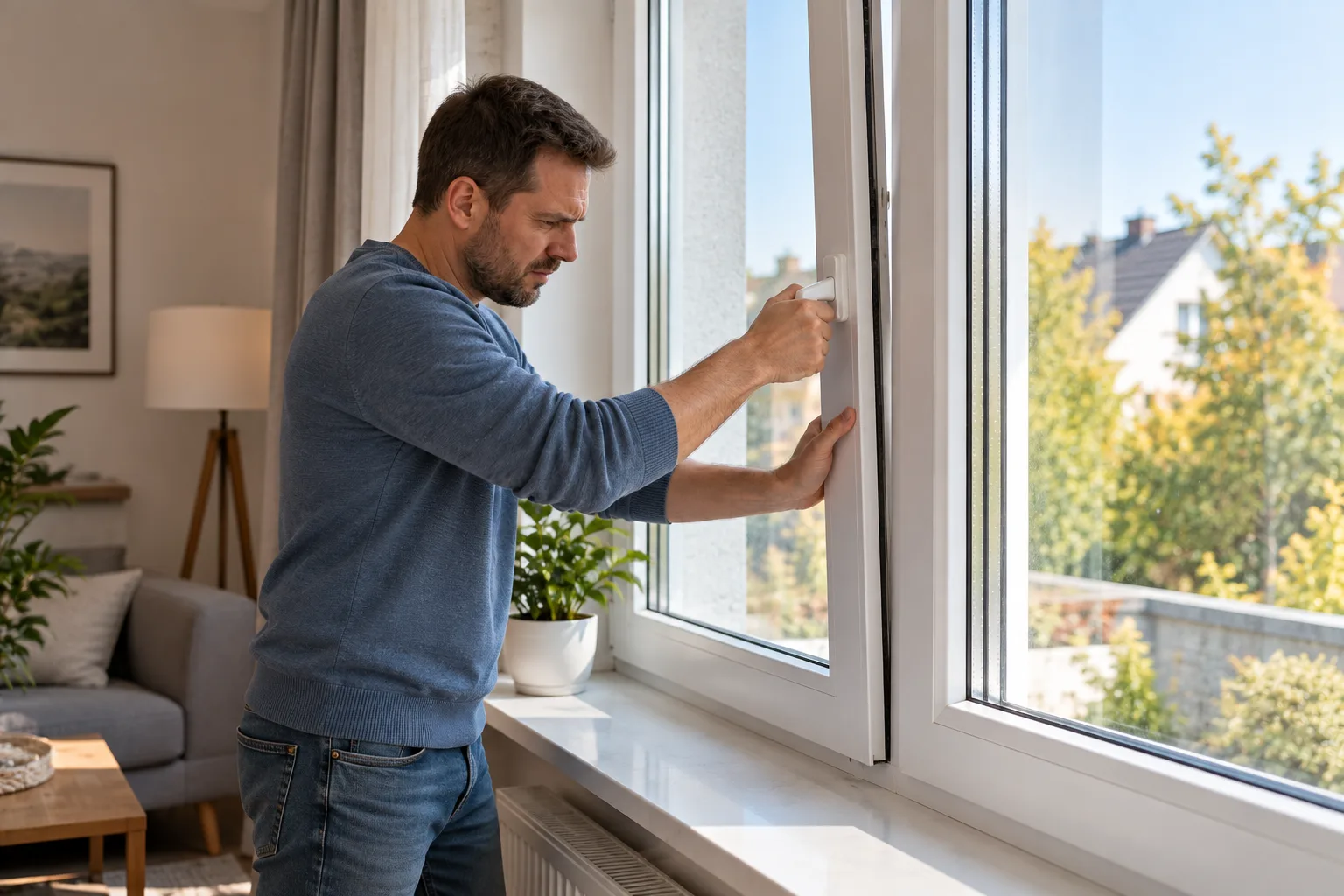
Windows that stick, require a shove to open, or won’t latch securely are usually suffering from warped frames, swollen wood, or worn hardware — not just needing a little WD-40. This is especially common in older wood or aluminum frames that have absorbed moisture or shifted with age. Beyond the daily annoyance, a window that won’t lock properly is a real home security gap.
3. Condensation or Fog Between the Glass Panes
Fogginess trapped between double-pane glass means the insulating seal has failed and the gas fill (or air) between the panes has leaked out. Once that seal is broken, the glass unit itself has lost its insulating value — no amount of cleaning will fix it. Utah’s dramatic day-to-night temperature swings put extra stress on these seals, which is why fogged panes show up sooner here than in more temperate regions.
4. Visible Rot, Warping, or Frame Damage
Soft or discolored wood, peeling paint around the frame, or visible gaps between the window and the wall all point to moisture damage that will only spread over time. Utah’s intense summer UV exposure also dries out and cracks vinyl and wood finishes faster than expected, weakening the frame’s structural integrity. Left unaddressed, damaged frames can lead to water intrusion and costly repairs to the surrounding wall and trim.
5. Your Energy Bills Keep Climbing
If your heating and cooling costs have crept up without a clear explanation, inefficient windows are a common culprit. Older or single-pane windows let conditioned air escape and outdoor temperatures in, forcing your HVAC system to run longer to compensate — a real problem given Utah’s hot, dry summers and cold, snowy winters that demand efficient heating and cooling nearly year-round. Modern energy-efficient windows with low-E coatings and insulated frames can meaningfully reduce that strain.
6. You Notice More Outside Noise Indoors
If traffic, neighbors, or wind suddenly sound louder inside your home, your windows may no longer be sealing or insulating as they should. Newer windows with multiple panes and tighter seals significantly dampen outside noise compared to older single-pane or poorly sealed units. This is often one of the first differences homeowners notice after a window replacement.
7. Your Windows Still Have Single-Pane Glass
Single-pane windows offer minimal insulation and are simply outdated for today’s energy standards, especially in a climate like Utah’s with hot, dry summers and cold winters. They provide little defense against UV rays, temperature swings, or noise, and they’re far more prone to condensation and frost. Upgrading to double- or triple-pane, low-E glass is one of the most impactful improvements you can make to comfort and efficiency.
Frequently Asked Questions
How long do windows typically last before needing replacement?
Most residential windows last 15 to 25 years, depending on material, installation quality, and climate exposure. In Utah’s higher-UV, wide-temperature-swing climate, seals and finishes can wear out on the earlier end of that range. If your windows are original to a home built before the early 2000s, it’s worth having them evaluated.
Is it cheaper to repair or replace old windows?
Minor issues like worn weatherstripping or a broken latch are usually worth repairing. But if you’re seeing multiple signs — drafts, fogged glass, rot, and rising bills — repeated repairs typically cost more over time than a one-time replacement with efficient, warrantied windows.
What is the best time of year to replace windows in Utah?
Late spring through early fall offers the most predictable weather for window installation in Utah, though reputable contractors can install year-round with proper scheduling. Addressing failing windows before winter is especially important, since cold snaps quickly expose drafts and heat loss.
Do new windows really lower energy bills?
Yes — replacing single-pane or failed-seal windows with modern, energy-efficient units reduces the heating and cooling load on your HVAC system. The exact savings vary by home, but homeowners commonly see a noticeable drop in utility costs, particularly during Utah’s peak summer and winter months.
How much does window replacement cost in Utah?
Costs vary widely based on window size, material, glass package, and how many windows are being replaced. Getting a detailed, in-home proposal is the most accurate way to understand pricing for your specific home and goals.
Ready for an Honest Assessment of Your Windows?
If any of these signs sound familiar, it’s worth having a professional take a look before another Utah winter or summer puts more strain on your home’s comfort and efficiency. Paramount Peaks provides free, no-pressure proposals for homeowners throughout Northern and Southern Utah, backed by the same craftsmanship we bring to roofing, siding, and every exterior project we take on. Call 435.201.8222 to schedule your free window assessment today.